
๐ŸŽ„ Win a month in Italy for two โ€” โ‚ฌ10,000 ยท The Secret Italy Prize GO โ†’
โ† Back

Vercelli and the historical rice

Vercelli and the historical rice โ€” Vercelli, Italia.

13100 Vercelli VC, Italiaโ€ข โ˜…โ˜…โ˜…โ˜…โ˜†โ€ข 627 views
Paola Cortese
Vercelli
๐Ÿ† AI Trip Planner 2026

Get the free app

Discover the best of Vercelli with Secret World โ€” the AI trip planner with 1M+ destinations. Get personalized itineraries, hidden gems and local tips. Free on iOS & Android.

๐Ÿง  AI Itineraries ๐ŸŽ’ Trip Toolkit ๐ŸŽฎ KnowWhere Game ๐ŸŽง Audio Guides ๐Ÿ“น Videos
Scan to download iOS / Android
Scan for AppGallery Huawei users

About Vercelli and the historical rice

Vercelli and the historical rice - Vercelli | Secret World Trip Planner

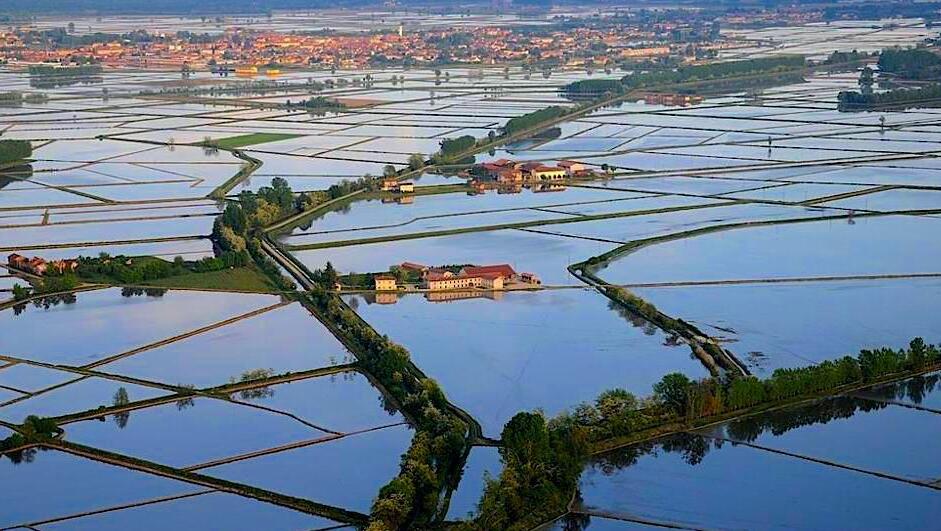
There are nine "traditional" or "historical" varieties of rice (Orhyza sativa), all belonging to the japonica subspecies, those still cultivated for their agronomic and organoleptic characteristics and for their traditional use in typical regional dishes and preparations: Arborio, Baldo, Balilla, Carnaroli, Gigante Vercelli, Maratelli, Razza 77, Sant'Andrea and Vialone Nano.The cultivation of rice takes place, on a national level, in the so-called Po Valley (that is, the strip of the Po Valley that follows the course of the river and includes part of Piedmont, Lombardy, Emilia Romagna and Veneto), an area that has an environment with soil and climatic characteristics very favorable to rice, even though it is located at the highest northern latitude for this crop. At the regional level, rice cultivation is widespread in the provinces of Vercelli and Novara and, to a lesser extent, in the provinces of Biella and Alessandria, as well as a small area in Bra, in the province of Cuneo.rice cultivation, understood as a true agricultural phenomenon, began in the fifteenth century starting in Lomellina and from here it rapidly expanded into the Piedmontese territory both to the north (in Novara) and to the west (in the provinces of Vercelli, Biella and Alessandria). Tradition has it that the Cistercian monks of the Abbey of Lucedio (from the French monastery of La Fertรจ) were responsible for introducing and spreading rice cultivation in Piedmont. Initially, it was only grown in marshy land and wetlands, where other crops were not well suited to planting. It was the monks of Lucedio, in the first half of the 12th century, who reclaimed the many lands available and cultivated them, first alternating with other cereals and then in an increasingly specialised way. The area cultivated with rice therefore had a limited but continuous growth until the 18th century; the real turning point came in the second half of the 19th century, with the construction of the Cavour canal and the creation of the irrigation system typical of the rice fields of Piedmont and Lombardy which, still today, constitutes the characteristic element of an agricultural landscape unique in the world.
Vercelli and the historical rice - Vercelli | Secret World Trip Planner
๐Ÿ—บ Die smarte Trip-Planner-App ๐ŸŽ„ Win a month in Italy โ€” โ‚ฌ10,000 โ†’

Plan your visit to Vercelli

Suggested itinerary near Vercelli and the historical rice

MAJ+
500.000+ travelers worldwide
  1. ๐ŸŒ…
    Morning
    Vercelli and the historical rice
    ๐Ÿ“ Vercelli
    โ€บ
  2. โ˜€๏ธ
    Afternoon
    The Bicciolani of Vercelli
    ๐Ÿ“ 0 km ยท Vercelli
    โ€บ
  3. ๐ŸŒ†
    Evening
    Church of San Cristoforo;Sistine Chapel of Vercelli;
    ๐Ÿ“ 0.5 km ยท Vercelli
    โ€บ

Buy Unique Travel Experiences

Powered by Viator

See more on Viator.com

Explore nearby ยท Vercelli

Frequently Asked Questions

Vercelli is home to nine historical japonica rice varieties including Arborio, Carnaroli, Gigante Vercelli, Vialone Nano, and Sant'Andrea. These varieties are still cultivated for their superior agronomic qualities and organoleptic characteristics, making them essential ingredients in authentic Italian regional dishes like risotto.
Rice cultivation began in the fifteenth century, with Cistercian monks from the Abbey of Lucedio (originally from the French monastery of La Fertรจ) credited with introducing and spreading the crop throughout Piedmont in the 12th century. The monks reclaimed marshy lands and wetlands, gradually transforming rice into a specialized agricultural practice that expanded to Vercelli and surrounding provinces.
The Po Valley, which includes Vercelli, has exceptional soil and climatic characteristics perfectly suited for rice cultivation, making it the world's highest northern latitude for this crop. The region's environmental conditions, combined with the construction of the Cavour canal in the 19th century, transformed rice farming into a major agricultural phenomenon in the area.
The provinces of Vercelli and Novara are the primary rice-growing regions in Piedmont, with smaller cultivation areas in Biella, Alessandria, and a small section near Bra in Cuneo province. Vercelli, in particular, is historically significant as the heart of Piedmontese rice production since the 15th century.
The rice paddies in Vercelli are most visually impressive during the growing season from spring through early autumn, when the fields are filled with water and developing plants. Summer months offer the most lush and photogenic landscapes, while autumn harvest season (September-October) provides insight into traditional rice farming practices and the complete agricultural cycle.