
🎄 Win a month in Italy for two — €10,000 · The Secret Italy Prize GO →
← Back

Naples | Charterhouse of San Martino

Naples | Charterhouse of San Martino — Napoli, Italia.

Largo S. Martino, 5, 80129 Napoli NA, Italia ★★★★☆ 452 views
Maya Tiger
Napoli
🏆 AI Trip Planner 2026

Get the free app

Discover the best of Napoli with Secret World — the AI trip planner with 1M+ destinations. Get personalized itineraries, hidden gems and local tips. Free on iOS & Android.

🧠 AI Itineraries 🎒 Trip Toolkit 🎮 KnowWhere Game 🎧 Audio Guides 📹 Videos
Scan to download iOS / Android
Scan for AppGallery Huawei users

About Naples | Charterhouse of San Martino

Naples | Charterhouse of San Martino - Napoli | Secret World Trip Planner

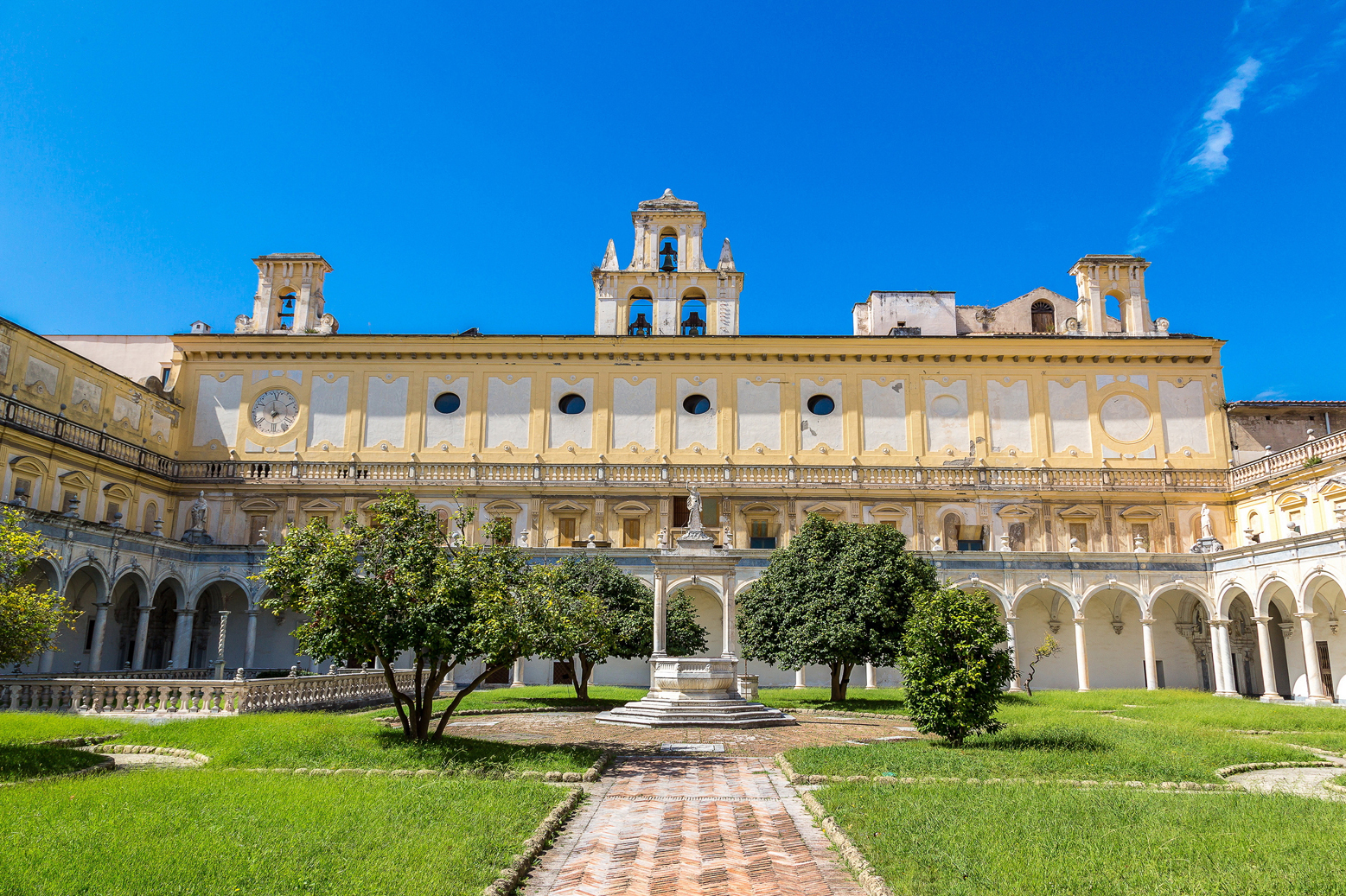
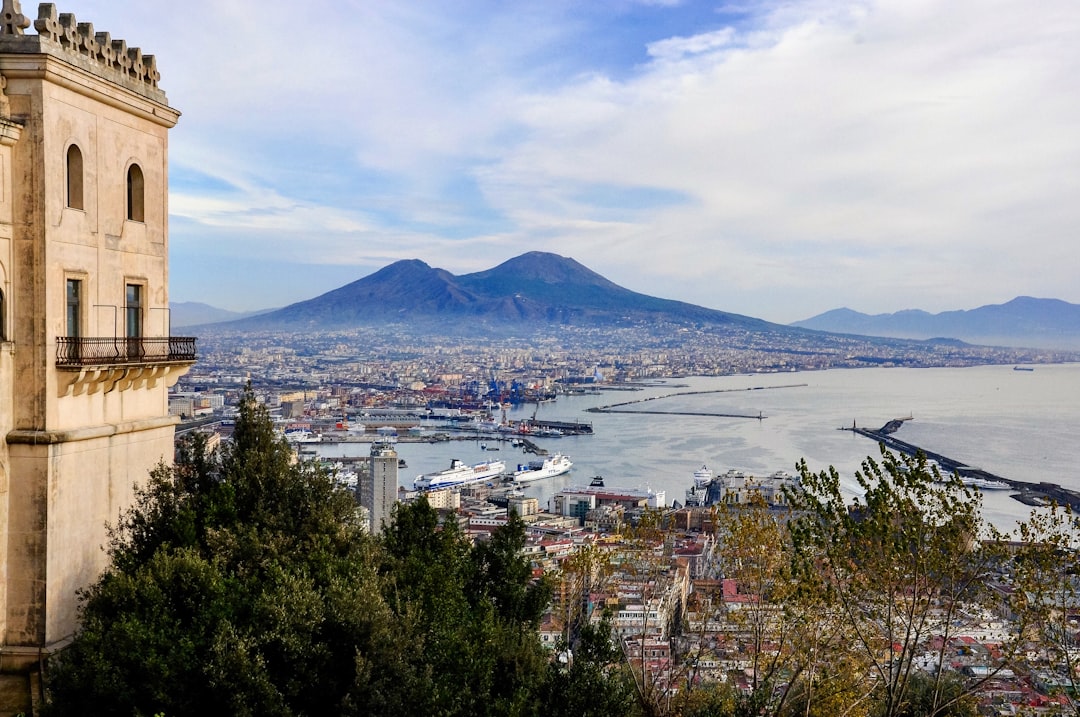
The Charterhouse of San Martino was consecrated in 1368. It was given a purely Gothic style which was converted into Baroque in 1600. It will be in the following century that the Chapel of the Magdalene, the Refectory and the Cloister will be annexed. Among the personalities who worked there stand out Giordano, Vaccaro and De Mura. In 1866 Fiorelli will be the museum that was intended to preserve the "homelands memories" of the city. The Sienese architect and sculptor Tino di Camaino, already famous for the Cathedral of Pisa, and master-builder of the Angevin court, was called to build the Certosa di San Martino. On Tino's death, the task of architect of the San Martino complex passed to Attanasio Primario. Of the original structure remain the grandiose Gothic underground passages. They represent a remarkable work of engineering necessary to support the building and to form its base along the steep slopes of the hill. From iconographic research and from surveys and observations carried out on the structures of the underground, it is likely that Tino di Camaino's project incorporated pre-existing defensive structures of the ancient castle of Belforte. In 1581, a grandiose project of enlargement of the Certosa was started, entrusted to the architect Giovanni Antonio Dosio, destined to transform its severe gothic aspect into the present precious and refined baroque dress. The growing number of monks imposed a radical restructuring of the Chiostro Grande: new cells were built, and the entire water system was revised. The promoter of this new and spectacular appearance of the Certosa di San Martino was Prior Severo Turboli, in office from the last twenty years of the sixteenth century until 1607. The works started under the direction of Dosio, are continued by Giovan Giacomo di Conforto, who will build the monumental cistern of the cloister.

Naples | Charterhouse of San Martino - Napoli | Secret World Trip Planner
🗺 Die smarte Trip-Planner-App 🎄 Win a month in Italy — €10,000 →

Plan your visit to Napoli

Suggested itinerary near Naples | Charterhouse of San Martino

MAJ+
500.000+ travelers worldwide
  1. 🌅
    Morning
    Naples | Charterhouse of San Martino
    📍 Napoli
  2. ☀️
    Afternoon
    Charterhouse of San Martino
    📍 0 km · Napoli
  3. 🌆
    Evening
    Naples | La Pedamentina
    📍 0.1 km · Napoli

Buy Unique Travel Experiences

Powered by Viator

See more on Viator.com

Explore nearby · Napoli

Frequently Asked Questions

The Charterhouse of San Martino was consecrated in 1368 with an original Gothic style, which was later converted to Baroque starting in 1600. The transformation was promoted by Prior Severo Turboli and architect Giovanni Antonio Dosio, who began an ambitious enlargement project in 1581 that gave the complex its current precious and refined baroque appearance.
The original structure was designed by Tino di Camaino, a renowned Sienese architect and sculptor famous for the Cathedral of Pisa, followed by Attanasio Primario after Tino's death. The major Baroque transformation was led by Giovanni Antonio Dosio and continued by Giovan Giacomo di Conforto, who built the monumental cloister cistern.
The grandiose Gothic underground passages represent a remarkable engineering achievement necessary to support the building and form its base along the steep slopes of the hill. Iconographic research suggests that Tino di Camaino's original project likely incorporated pre-existing defensive structures from the ancient castle of Belforte.
Notable personalities who worked on the Charterhouse include Giordano, Vaccaro, and De Mura, who contributed to its artistic embellishment. In 1866, Fiorelli transformed it into a museum intended to preserve the 'homelands memories' of Naples.
In 1581, architect Giovanni Antonio Dosio initiated a grandiose enlargement project that radically restructured the Chiostro Grande (main cloister) to accommodate the growing number of monks. This renovation included the construction of new cells and a complete revision of the water system, transforming the severe Gothic complex into its present spectacular Baroque appearance.