
🎄 Win a month in Italy for two — €10,000 · The Secret Italy Prize GO →
← Back

Naples | Castel Nuovo also known as Maschio Angioino

Naples | Castel Nuovo also known as Maschio Angioino — Napoli, Italia.

Via Vittorio Emanuele III, 80133 Napoli NA, Italia ★★★★☆ 264 views
Maya Tiger
Napoli
🏆 AI Trip Planner 2026

Get the free app

Discover the best of Napoli with Secret World — the AI trip planner with 1M+ destinations. Get personalized itineraries, hidden gems and local tips. Free on iOS & Android.

🧠 AI Itineraries 🎒 Trip Toolkit 🎮 KnowWhere Game 🎧 Audio Guides 📹 Videos
Scan to download iOS / Android
Scan for AppGallery Huawei users

About Naples | Castel Nuovo also known as Maschio Angioino

Naples | Castel Nuovo also known as Maschio Angioino - Napoli | Secret World Trip Planner

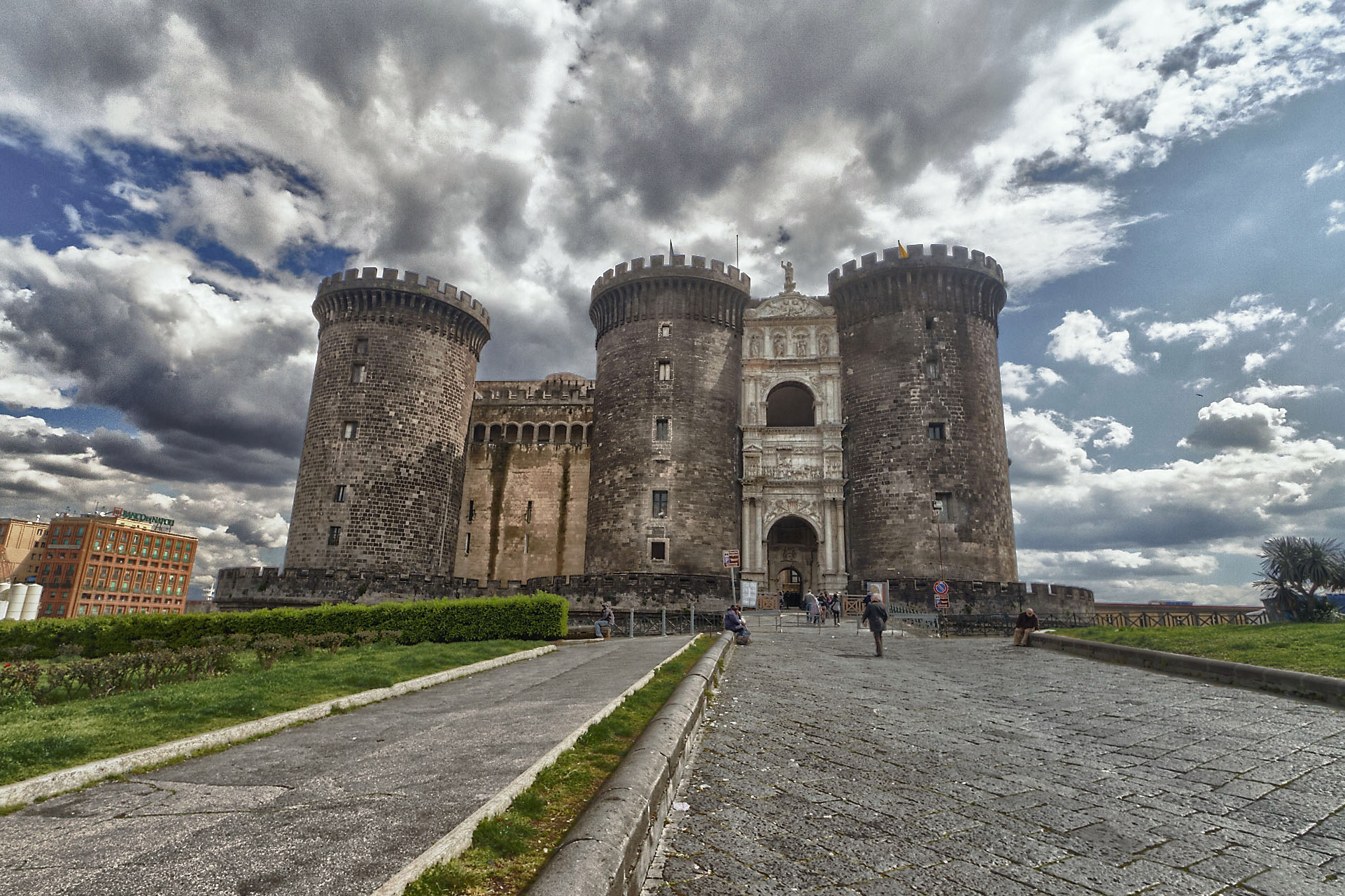
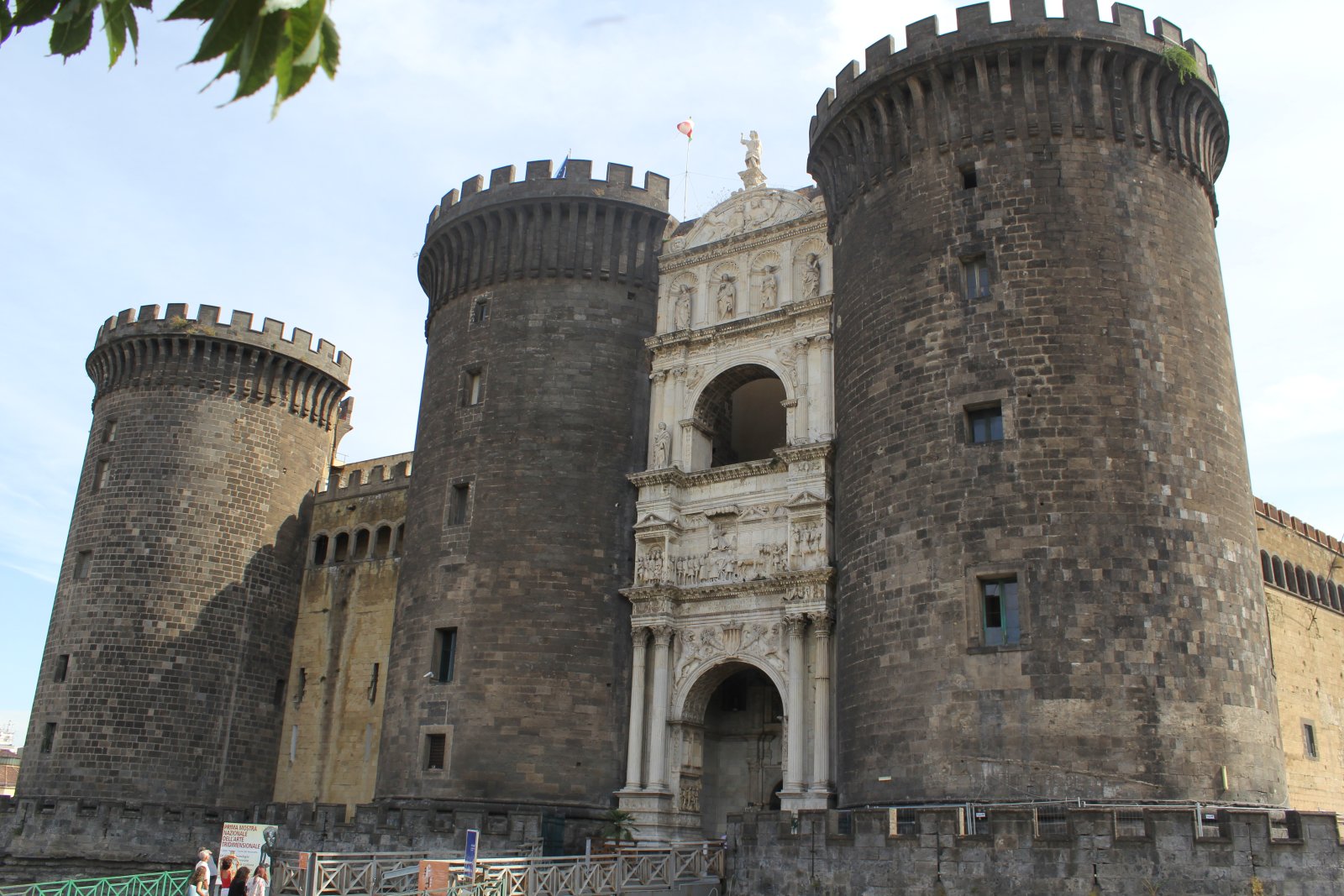
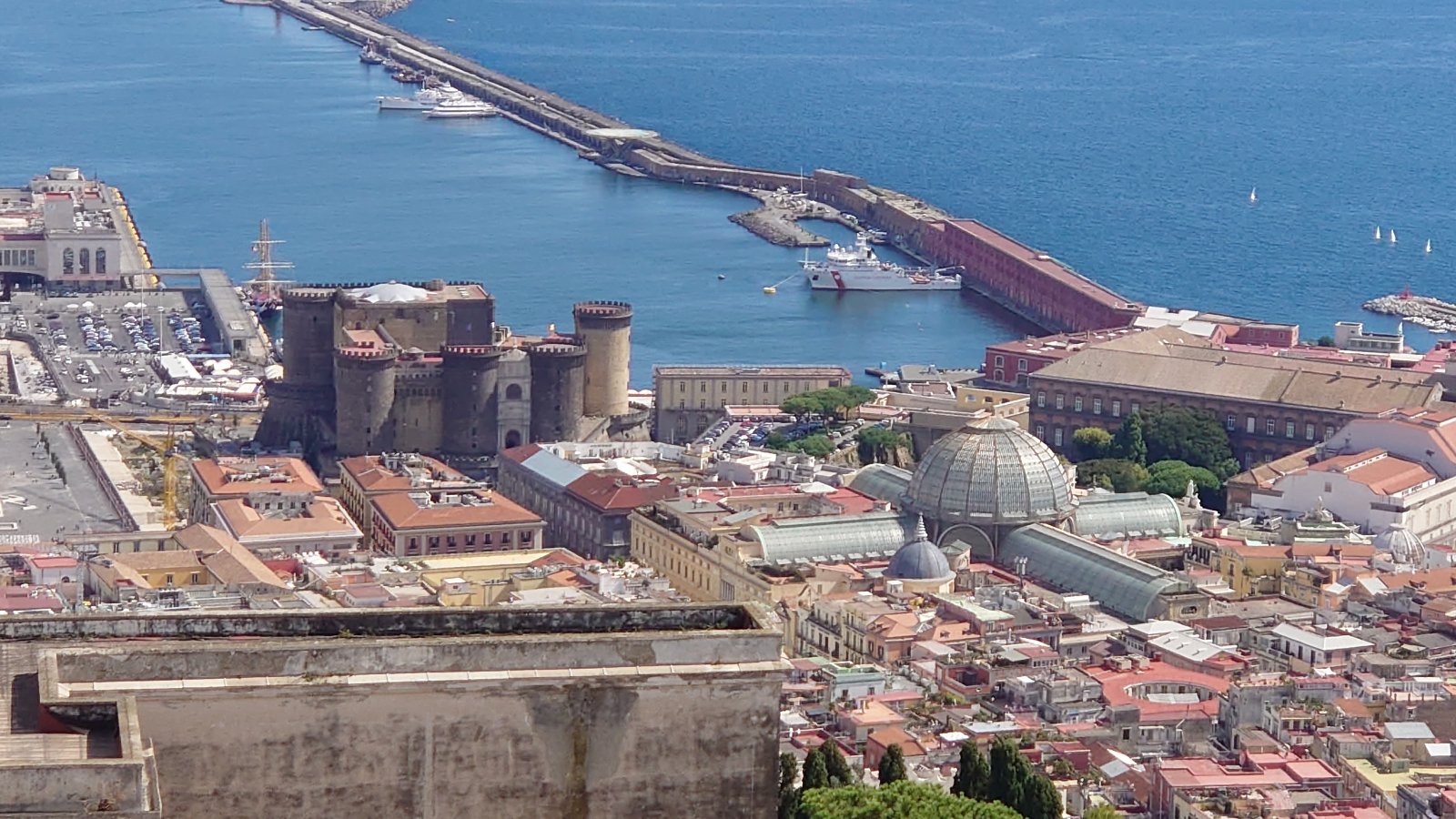
Castel Nuovo, better known as Maschio Angioino, is a medieval and renaissance castle built at the behest of Charles I of Anjou in 1266, after having defeated the Swabians, ascended the throne of Sicily and moved the capital from Palermo to Naples. Since the 13th century the imposing Maschio Angioino, with its large five cylindrical towers, has been one of the symbols of the city of Naples, thanks to its strategic position in Piazza Municipio, in the Port area.The "New" castle was built to guard the city from enemy raids, in fact the position in which it was built was of strategic importance and completed a defensive system that previously had as its protagonists the Castel dell'Ovo, now too old and obsolete for the attack systems of the time, and Castel Capuano, in a location not very strategic and far from the sea. The latter two castles suggested the name of Castel Nuovo, in order to distinguish it from the previous two, older ones. The construction of this important work was entrusted to the architect Pierre de Chaulnes, who directed the preparation of the work starting from 1279 and completed it five years later, a record time for the time, considering the construction techniques and the large size of the fortress.
Naples | Castel Nuovo also known as Maschio Angioino - Napoli | Secret World Trip Planner

The appearance of the castle that we see today is very different from what the Neapolitans who lived at the time of its construction must have seen. The castle shows itself today as a stratification of many epochs.

The fortress has in fact remained the protagonist of Naples for many years, it was the home of rulers and illustrious guests: after the death of Charles I of Anjou, the structure hosted the new King Charles II of Anjou, known as the lame, and his entire family; the Castle was the scene of the abdication of Pope Celestine V and the subsequent election of Boniface VIII in 1294.

Naples | Castel Nuovo also known as Maschio Angioino - Napoli | Secret World Trip Planner
🗺 Die smarte Trip-Planner-App 🎄 Win a month in Italy — €10,000 →

Plan your visit to Napoli

Suggested itinerary near Naples | Castel Nuovo also known as Maschio Angioino

MAJ+
500.000+ travelers worldwide
  1. 🌅
    Morning
    Naples | Castel Nuovo also known as Maschio Angioino
    📍 Napoli
  2. ☀️
    Afternoon
    Machio Angioino,the heart of Naples
    📍 0 km · Napoli
  3. 🌆
    Evening
    Maritata Soup
    📍 0.2 km · Napoli

Buy Unique Travel Experiences

Powered by Viator

See more on Viator.com

Explore nearby · Napoli

Frequently Asked Questions

Castel Nuovo was built by Charles I of Anjou in 1266 and later became known as Maschio Angioino, which means 'Angevin Keep' in Italian, referencing the Angevin dynasty that ruled Naples. The name 'Nuovo' (New) was given to distinguish it from two older castles—Castel dell'Ovo and Castel Capuano—that were no longer adequate for defending the city.
Located in Piazza Municipio in the Port area, Castel Nuovo's strategic position was crucial for defending Naples from enemy raids and completed the city's defensive system. Its placement near the sea and its five distinctive cylindrical towers made it an ideal fortress to guard against attacks, replacing the aging Castel dell'Ovo that was no longer effective.
Architect Pierre de Chaulnes designed and directed the construction of Castel Nuovo starting in 1279, completing this massive fortress in just five years—an impressive achievement for the time considering the construction techniques and enormous size of the structure. This rapid completion was remarkable given the technological limitations of medieval construction.
The castle hosted some of the most important figures in European history, including King Charles II of Anjou and his family, and was the site of Pope Celestine V's abdication and the subsequent election of Pope Boniface VIII in 1294. It remained a central symbol of power and governance in Naples for centuries.
No, the castle's appearance today is very different from its original medieval form, showing a stratification of many different historical periods and architectural styles from various epochs. The castle evolved significantly over the centuries as it remained an important seat of power and was modified by successive rulers and dynasties.