← Back

Capo Colonna and the Archaeological Park

88900 Capocolonna KR, Italia ★★★★☆ 566 views
Claudia Rolling
Capocolonna
🏆 AI Trip Planner 2026

Get the free app

Discover the best of Capocolonna with Secret World — the AI trip planner with 1M+ destinations. Get personalized itineraries, hidden gems and local tips. Free on iOS & Android.

🧠 AI Itineraries 🎒 Trip Toolkit 🎮 KnowWhere Game 🎧 Audio Guides 📹 Videos
Scan to download iOS / Android
Scan for AppGallery Huawei users

About Capo Colonna and the Archaeological Park

Capo Colonna and the Archaeological Park - Capocolonna | Secret World Trip Planner

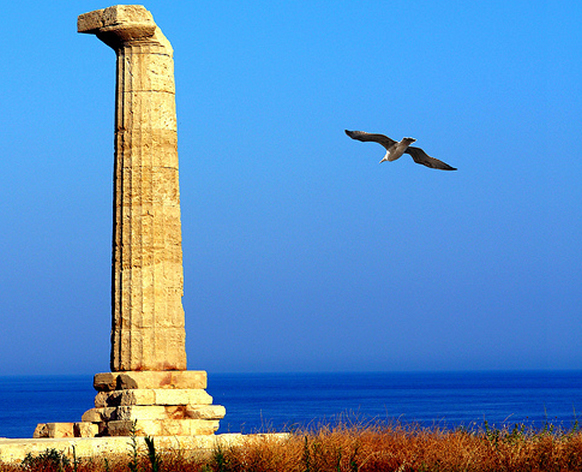
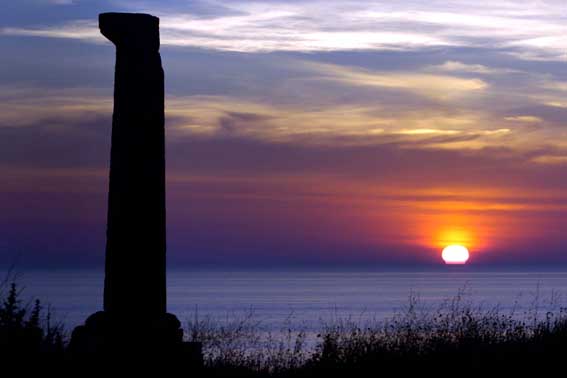
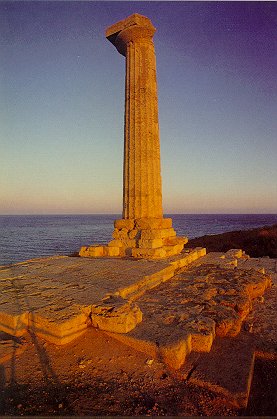
The Cape was known in antiquity as Cape Lacinius, the same goddess took the name of Lacinia. In modern times was called Cape Nao, from naos = temple. Today is called Capo Colonna, from what remains of the ancient sacred building. The image of the isolated column, which stands out on the blue sea that blends with the sky, the only supertiste of a mighty building, evoking a glorious past, aroused, and still arouses, in the visitor unrepeatable emotions ... The Archaeological Park of Crotone is located right on the promontory of Capo Colonna. The area includes 30 hectares of land used for excavations and 20 hectares of forest and Mediterranean scrub. At Capo Colonna stood one of the most important sacred areas of the entire Mediterranean basin: the sanctuary dedicated to Hera Lacinia, wife and sister of Zeus, protector of pastures, women, female fertility, family and marriage. The finds discovered in the excavation area are kept, in part, in the National Archaeological Museum of Crotone. In particular, there are archaic finds and the precious Treasure of Hera Lacinia. Of the famous sanctuary are exposed votive objects, fragments of architectural decorations in marble and terracotta, and fragments of sculptures, all dating back to the Archaic period; the inscribed stone that commemorates the membership of the sanctuary to Hera Eleytheria; the sculptural group of the Roman age of Eros and Psyche found in the sea at Capo Colonna. In the new museum of Capo Colonna, located at the entrance of the Archaeological Park, are exhibited artifacts found in the area.
Capo Colonna and the Archaeological Park - Capocolonna | Secret World Trip Planner
🗺 Die smarte Trip-Planner-App

Plan your visit to Capocolonna

Suggested itinerary near Capo Colonna and the Archaeological Park

MAJ+
500.000+ travelers worldwide
  1. 🌅
    Morning
    Capo Colonna and the Archaeological Park
    📍 Capocolonna
  2. ☀️
    Afternoon
    Sanctuary of the Madonna di Capo Colonna
    📍 1 km · Capocolonna
  3. 🌆
    Evening
    National Archaeological Museum of Crotone
    📍 8.6 km · Capocolonna

Buy Unique Travel Experiences

Powered by Viator

See more on Viator.com

Explore nearby · Capocolonna

Frequently Asked Questions

Capo Colonna gets its name from the isolated ancient column that stands on the promontory, which is the last remaining structure of a mighty temple dedicated to Hera Lacinia. In antiquity it was known as Cape Lacinius, named after the goddess Hera Lacinia, and this sacred sanctuary was one of the most important religious sites across the entire Mediterranean basin.
The Archaeological Park of Crotone is located on the Capo Colonna promontory and spans 50 hectares total, including 30 hectares designated for excavations and 20 hectares of protected forest and Mediterranean scrub. The park preserves the remains of the ancient sanctuary dedicated to Hera Lacinia, one of the most significant sacred areas of the ancient world.
The area features votive objects, marble and terracotta architectural fragments, sculptures dating to the Archaic period, and the precious Treasure of Hera Lacinia, all displayed in the new museum at the park's entrance. Additionally, you can see the famous sculptural group of Eros and Psyche from the Roman age, which was discovered in the sea at Capo Colonna, and view the iconic ancient column overlooking the Mediterranean.
The primary collection of artifacts discovered during excavations is housed in the National Archaeological Museum of Crotone, featuring archaic finds and the Treasure of Hera Lacinia. Additionally, a new museum has been built at the entrance of the Archaeological Park itself, which exhibits artifacts found in the surrounding area.
The sanctuary at Capo Colonna was dedicated to Hera Lacinia, the wife and sister of Zeus, who was venerated as the protector of pastures, women, female fertility, family, and marriage. It served as one of the most important sacred areas throughout the entire Mediterranean basin, making it a significant religious and cultural center in antiquity.