
🎄 Win a month in Italy for two — €10,000 · The Secret Italy Prize GO →
← Back

Abbey of the Most Holy Trinity of Venosa

Abbey of the Most Holy Trinity of Venosa — Venosa, Italia.

85029 Venosa PZ, Italia ★★★★☆ 262 views
Sanja Boston
Venosa
🏆 AI Trip Planner 2026

Get the free app

Discover the best of Venosa with Secret World — the AI trip planner with 1M+ destinations. Get personalized itineraries, hidden gems and local tips. Free on iOS & Android.

🧠 AI Itineraries 🎒 Trip Toolkit 🎮 KnowWhere Game 🎧 Audio Guides 📹 Videos
Scan to download iOS / Android
Scan for AppGallery Huawei users

About Abbey of the Most Holy Trinity of Venosa

Abbey of the Most Holy Trinity of Venosa - Venosa | Secret World Trip Planner

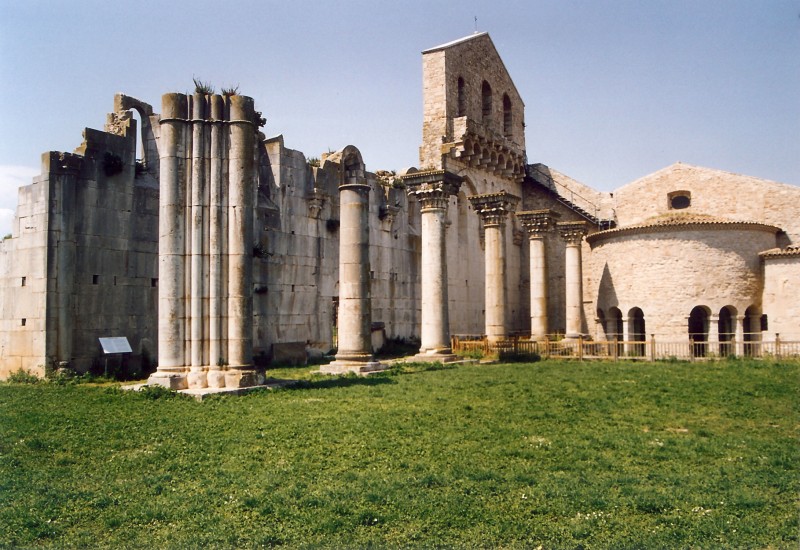
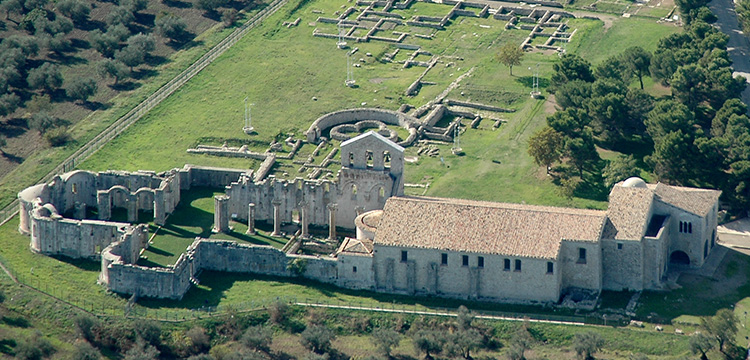
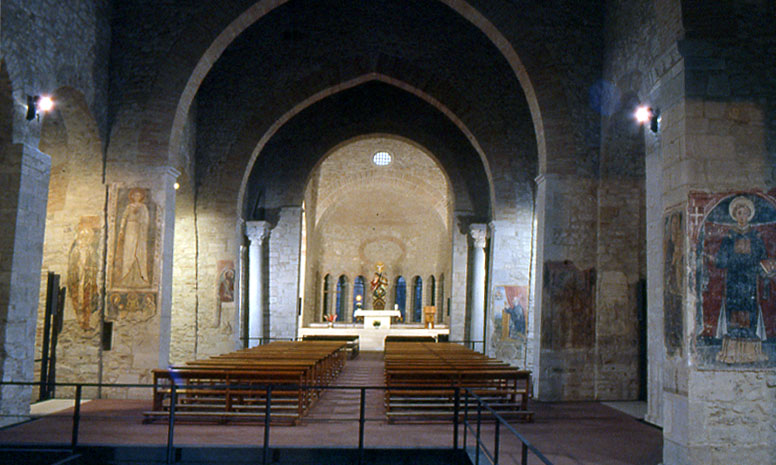
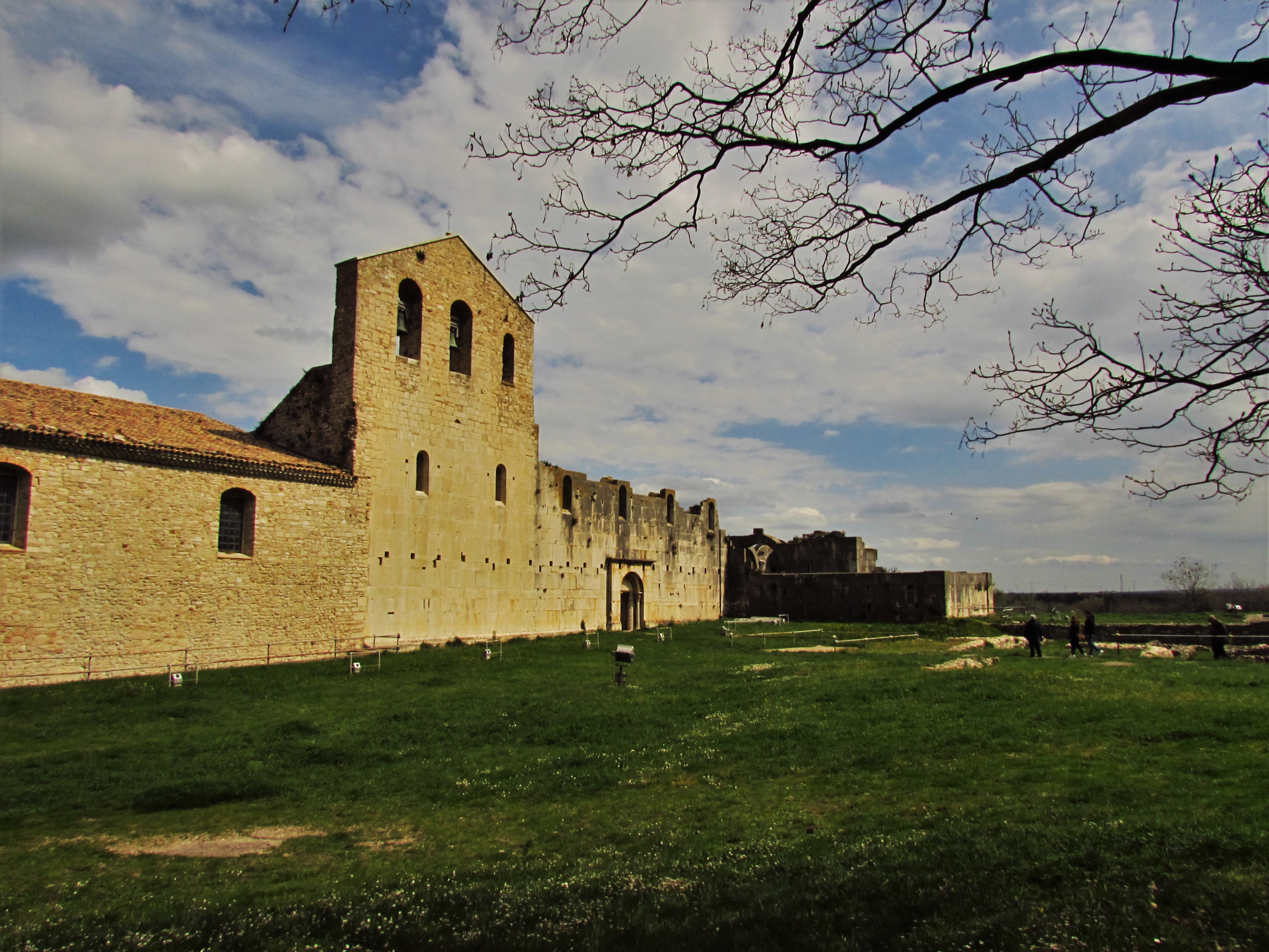
Abbey of the Most Holy Trinity and the Unfinished, one of the most powerful abbeys in the South, founded in the 5th century on a Roman temple, enlarged several times also thanks to a donation from the father of Ugo dei Pagani (1078) and a favorite place of Robert of Guiscard, who brought there the cross of Constantine in 1081 that has never been found. The’important monumental complex includes a forepart (guesthouse), the early Christian church and the unfinished church; in correlation with these, outside the right arm of the transept of the unfinished church, the’oldest element, the early Christian baptistery. The archaeological investigation carried out during the restoration work enabled the reconstruction of the various construction phases of the old church. The elements that emerged revealed the’existence of an early Christian basilica with three naves, divided by pillars, with a transept, apse and ambulatory, preceded by a portico (the narthex). The’entrance to the early Christian church è still clearly visible today; in fact, the holes of the wall lists of the door knockers can be seen on the floor. The floor of the church, clear traces of which remain, was in polychrome mosaic in the nave, deambulatory and schola cantorum, while in the aisles it was in terracotta bricks laid in a herringbone pattern. The basilica plan layout, the mosaic floor decoration and the discovery of a coin of Tiberius II (578-582) in the excavation area date the building’s origin to a period datable between the second half of the 4th century and the first half of the 5th century. The original layout underwent several transformations from the 7th century onward, until reconstruction and expansion by the Lombards (10th century) and Normans (11th century). It was precisely to the Norman period that the abbey complex was most important; so much so that Robert Guiscard in 1069 had the remains of his brothers, Drogone and William Popeye, transferred there. Later Aberada, Robert Guiscard's first wife, William, his younger brother, and Guiscard himself were also buried there. The happy Norman season was followed, in the 12th century, by a period of renewed splendor that enabled the Benedictines to plan a grandiose extension of the old church behind the apse. This new church, however, è remained unfinished and under that name è was consigned to history, to represent one of the most remarkable examples of the mature Romanesque style present in’southern Italy.
Abbey of the Most Holy Trinity of Venosa - Venosa | Secret World Trip Planner

The Museum of the Territory, set up in the guest quarters of the Abbey of the Most Holy Trinity, collects valuable material for the study and knowledge of the territory of Venosa. In addition to stone artifacts belonging to the ancient Abbey and a model reproducing the entire abbey complex, it displays the results of a long and articulated research conducted by the Superintendence for Architectural and Landscape Heritage of Basilicata with the collaboration of the State Archives of Potenza. The cartographic and documentary evidence collected has enabled the reconstruction of the suburban territory of Venosa in the 18th century with the identification of ancient farmhouses, mills, iazzi, fountains and significant religious architectural structures.
Abbey of the Most Holy Trinity of Venosa - Venosa | Secret World Trip Planner
🗺 Die smarte Trip-Planner-App 🎄 Win a month in Italy — €10,000 →

Plan your visit to Venosa

Suggested itinerary near Abbey of the Most Holy Trinity of Venosa

MAJ+
500.000+ travelers worldwide
  1. 🌅
    Morning
    Abbey of the Most Holy Trinity of Venosa
    📍 Venosa
  2. ☀️
    Afternoon
    Venosa and the Aragonese Castle Museum
    📍 0.3 km · Venosa
  3. 🌆
    Evening
    Archaeological area of Venosa
    📍 1.2 km · Venosa

Buy Unique Travel Experiences

Powered by Viator

See more on Viator.com

Explore nearby · Venosa

Frequently Asked Questions

The abbey is renowned as one of the most powerful abbeys in Southern Italy, founded in the 5th century atop a Roman temple. It gained particular prominence during the Norman period when Robert of Guiscard brought the Cross of Constantine there in 1081, though this precious relic was never found. The complex also features remarkable architectural elements including an early Christian basilica with intricate polychrome mosaic floors and an unfinished church that showcases different construction phases from the 4th to 11th centuries.
The monumental complex includes a guesthouse (forepart), an early Christian church with visible entrance holes and remnants of polychrome mosaic flooring, an unfinished church, and the oldest element—an early Christian baptistery located outside the right arm of the transept. Visitors can observe architectural details from excavation work that revealed the original basilica's three-nave layout, transept, apse, and ambulatory, along with herringbone-patterned terracotta brick floors in the aisles.
The original early Christian basilica dates to between the second half of the 4th century and the first half of the 5th century, as evidenced by the discovery of a coin from Tiberius II (578-582) during excavations and its distinctive basilica plan layout. The site underwent multiple expansions and transformations, with significant reconstruction by the Lombards in the 10th century and the Normans in the 11th century, when it became most prominent under Robert of Guiscard's patronage.
The unfinished church is a key architectural element that demonstrates the abbey's ambitious expansion plans, particularly during the Norman period when the complex reached its peak importance. The structure provides valuable archaeological evidence of the site's various construction phases and, along with the adjacent baptistery and early Christian church, tells the story of the abbey's evolution from early Christian times through the medieval period.
Robert of Guiscard was deeply connected to the abbey, transferring the remains of his brothers Drogone and William Popeye there in 1069 and bringing the Cross of Constantine in 1081. The abbey also received significant support from Ugo dei Pagani's father in 1078, which helped fund its enlargement. These high-profile connections made the abbey one of the South's most prestigious religious institutions during the Norman era.